
The Man the Bullets Could Not Find
Two horses shot from under him. Four bullets through his coat. Not one wound. America kept the monument and forgot the miracle. Providence did more than preserve George Washington. Providence formed him.
- By Ken Krogue
- — 5 min read
Before the monument, there was a killing field.
July 9, 1755. The banks of the Monongahela. A British and colonial column walks into an ambush, and in the space of an afternoon the world comes apart. Nearly a thousand men are killed or wounded. Two of Braddock’s aides-de-camp are wounded early, leaving a twenty-three-year-old Virginia volunteer named George Washington to carry the general’s orders alone. [1]
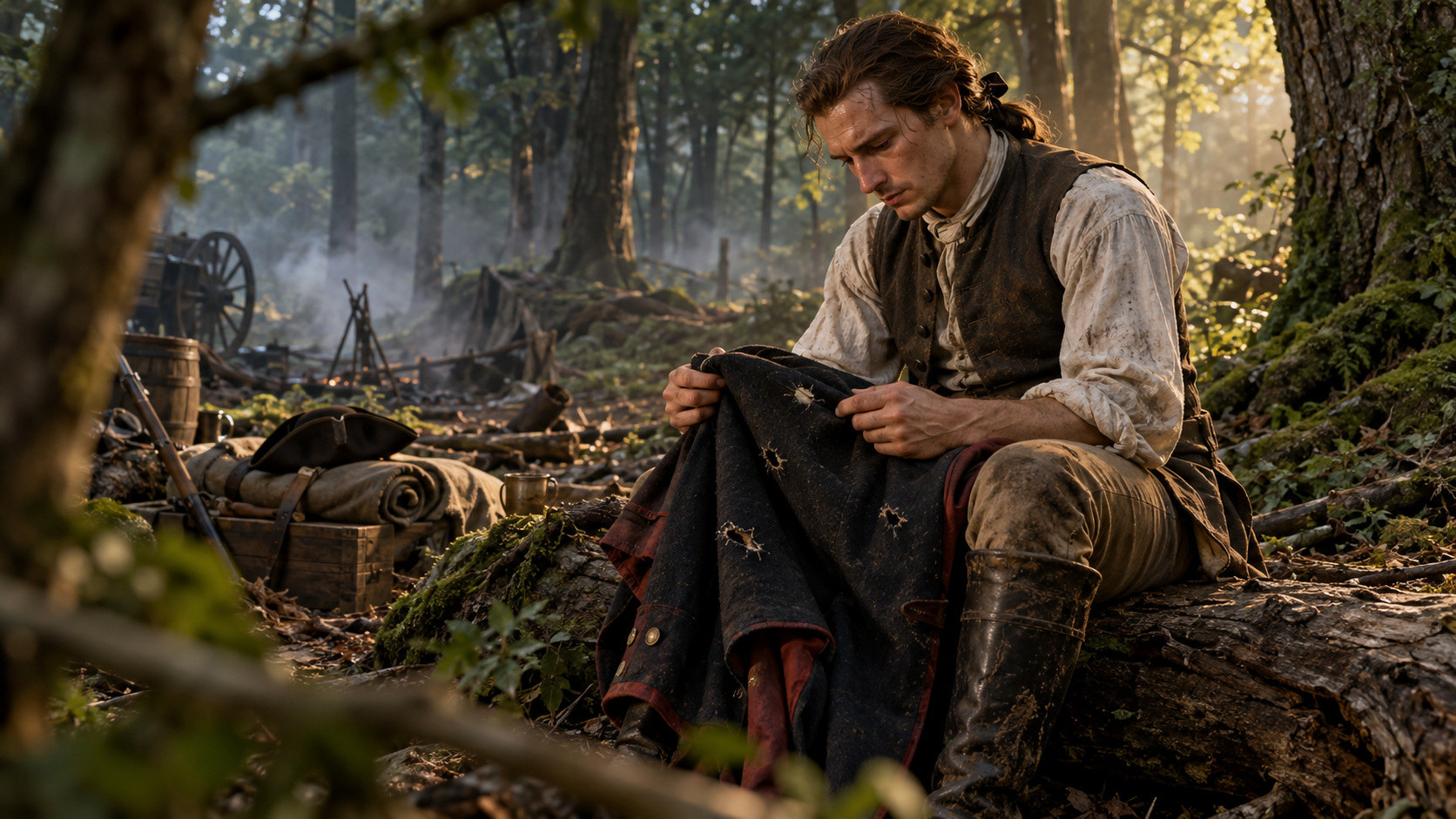
Two horses are shot from under him. Four bullets tear through his coat. For hours he rides back and forth through the crossfire, carrying orders, rallying broken men, and finally leading the survivors out of the slaughter.
He walks away without a scratch. [2]
Washington did not call it luck. Nine days later — on July 18, 1755 — he wrote his brother that by the all-powerful dispensations of Providence he had been “protected beyond all human probability or expectation.” [2] A later tradition preserved at Mount Vernon tells of an Indigenous leader who had fought against him at the Monongahela traveling a great distance to look him in the eye and tell him why. His best marksmen had fired on Washington again and again, the account says, until they stopped — convinced that a “power mightier far” shielded him, and that this man could not die in battle. [3]
This story used to travel with his name.
Then the miracles disappeared.
We kept Washington the general and Washington the president. We kept the portrait, the dollar, the marble, the monument. But somewhere along the way, modern history stripped Providence out of the telling. The founder remained.
God did not.
That is not a small omission. It changes the question entirely. Without Providence, Washington is an exceptional man who survived extraordinary danger. With Providence, we are forced to ask the question the monument was never built to answer:
Why was George Washington preserved?
And beneath it, the question at the heart of The American Covenant Project:
Why Washington? Why now?
The Miracle Was Not a Reward
The young Washington was not carved from marble.
He was ambitious, restless, hungry for rank, and desperate to be seen. He had courage that bordered on recklessness — and enough pride and iron will to help set off a world war. His mistakes cost men their lives. His surrender at Fort Necessity humiliated him in front of two empires. He was not ready for the weight history would lay on his shoulders.
That is exactly what makes his preservation so staggering.
God did not preserve a finished man. He preserved a man He could form.
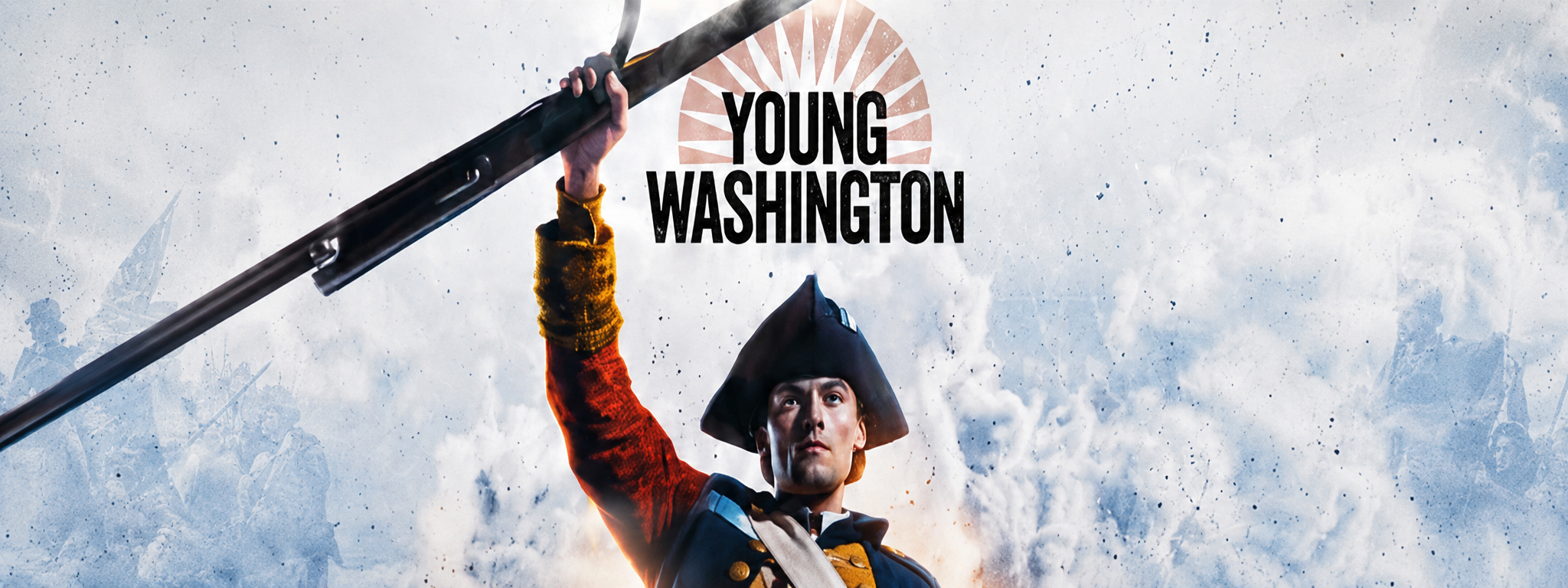
He signed the Fort Necessity surrender — the only time he ever surrendered to an enemy in battle — on July 3, 1754. Two hundred and seventy-two years later, on July 3, 2026, Young Washington opened in American theaters: a film about the failure that helped form him, arriving on the anniversary of the failure itself. [4]
Washington’s story is not a flawless hero rewarded for righteousness. It is a flawed young man preserved through catastrophe, humbled through failure, strengthened through suffering, and prepared through responsibility. Providence preserved him. Failure taught him. Service reshaped him. Restraint revealed him.
Before he led a nation, he was formed on a frontier. Before he surrendered power, he had to learn how power destroys. Before he became the father of a country, he had to become the kind of man who could carry liberty without consuming it.
That is covenant formation. And it is the half of the story we stopped telling our children.
Why Washington?
Because families that teach only the monument forget to teach the formation.
America remembers what Washington accomplished and has nearly forgotten what formed him. Our children know the marble but not the miracle — and liberty cannot be carried by people who believe it appeared through human strength alone.
Latter-day Saints are not left to guess at the first answer. In 1833, the Lord said He had established the Constitution “by the hands of wise men whom I raised up unto this very purpose.” [5]
Raised up. Unto this very purpose.
The nation Washington helped establish was never meant to be an entitlement. It is an inheritance, and great inheritances create great obligations. America remains the boldest experiment in liberty the world has ever attempted — not because our history is spotless, but because something extraordinary was entrusted to us: religious freedom, representative government, the rule of law, the dignity of the individual, and the right to speak, worship, build, serve, create, and pursue a life under God.
Lehi named the terms of that inheritance before he died: “if it so be that they shall serve him according to the commandments which he hath given, it shall be a land of liberty unto them.” [6]
Liberty is the promise. Serving Him is the covenant.
Those liberties were purchased in real battles. Washington and the founders fought through mud, blood, hunger, winter, betrayal, and war. David fought lions, bears, giants, armies, kings — and enemies inside his own house.
A nation that forgets how it was formed will not recognize its next forming, even when it happens in plain sight.
Source Notes
[1] George Washington’s Mount Vernon, “Battle of the Monongahela,” supports the July 9, 1755 battle, the 977 British and colonial casualties, and Washington’s role coordinating the retreat. George Washington’s July 18, 1755 letter states that Captains Robert Orme and Roger Morris, Braddock’s other aides-de-camp, were wounded early, leaving Washington as the only person able to distribute the general’s orders.
[2] Library of Congress, “Four Bullets Through My Coat.” Supports Washington’s July 18, 1755 report that four bullets passed through his coat, two horses were shot from under him, and that Providence protected him beyond all human probability or expectation.
[3] George Washington’s Mount Vernon, “The Indian Prophecy.” Preserves the later “power mightier far” tradition and explains the source history and uncertainty surrounding the account. This article treats the account as a preserved tradition, not as a verified event.
[4] George Washington’s Mount Vernon, “Ten Facts About George Washington and the French and Indian War,” supports that Fort Necessity was the only time Washington surrendered to an enemy in battle. Mount Vernon’s “Articles of Capitulation, Fort Necessity” supports the July 3, 1754 date and Washington’s signature. Angel Studios’ official Young Washington page and announcement support the July 3, 2026 theatrical release.
- mountvernon.org/george-washington/french-indian-war/ten-facts-about-george-washington-and-the-french-indian-war
- mountvernon.org/george-washington/french-indian-war/articles-of-capitulation-fort-necessity
- angel.com/movies/young-washington
- angel.com/press/release/angel-and-wonder-project-join-forces-to-announce-young-washington
[5] Doctrine and Covenants 101:80. The Joseph Smith Papers date this revelation to December 16–17, 1833, at Kirtland, Ohio. Source for “by the hands of wise men whom I raised up unto this very purpose.”
[6] 2 Nephi 1:7, from Lehi’s final counsel to his family before his death (2 Nephi 1–4). Source for “if it so be that they shall serve him according to the commandments which he hath given, it shall be a land of liberty unto them.”
Choose where to walk next:
TROWEL & MUSKET NEWSLETTER