
A Promise Beneath the Pattern
Why these stories may be calling families back to covenant
By Ken Krogue and Emily Shay
Many families can feel it. Something sacred has drifted.
We feel it when our children know every screen-born story but fewer sacred ones. We feel it when family life grows busy and distracted. We feel it when words like covenant, repentance, and sacrifice begin to sound old-fashioned instead of life-giving.
And yet, something is stirring.
At America’s 250th, Washington’s story is stepping back into view: the young man before the monument, the commander who surrendered power, the founder remembered not only for victory, but for restraint.
Before he led a nation, he was formed through danger, failure, ambition, restraint, and responsibility. Before he surrendered power, he had to learn what power was for.
His story asks: What kind of people can carry liberty?
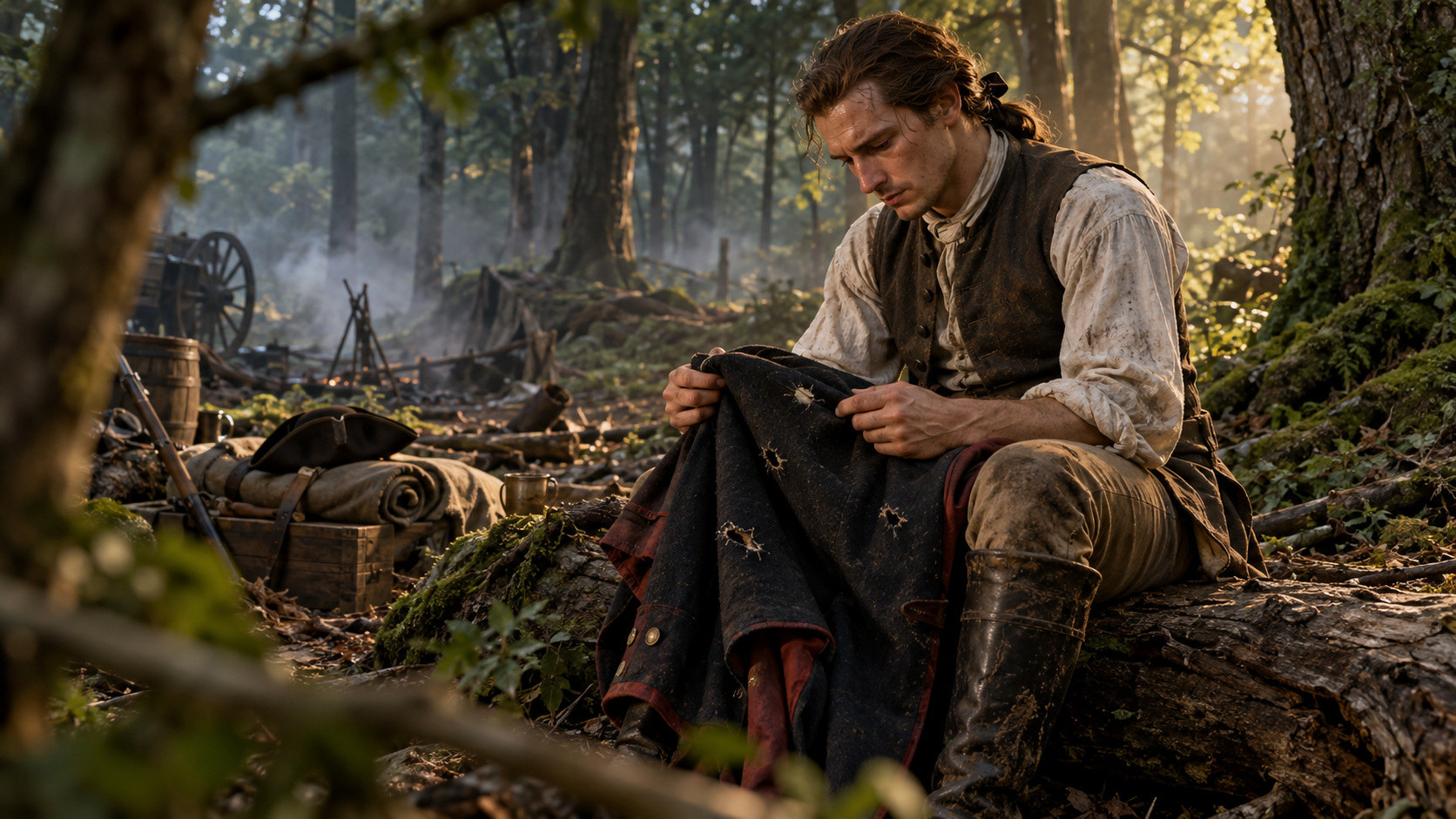
And beneath it: What kind of people does covenant create?
Washington is history, not scripture. He carries no divine authority, and he is not the center. The center is the Father’s work through Jesus Christ.
Still, Washington’s life traces a path through Providence worth studying.
America’s anniversary invites us to examine memory, dependence, liberty, repentance, responsibility, and return. The timing carries covenant resonance: 250 years is five fifty-year cycles, and in scripture the fiftieth year was the Year of Jubilee—a time of liberty, return, release, inheritance, and restoration.
Isaiah carried that jubilee forward to the Messiah: “to proclaim liberty to the captives … to proclaim the acceptable year of the LORD” (Isaiah 61:1–2). Jesus stood in Nazareth, read those words, and said, “This day is this scripture fulfilled in your ears” (Luke 4:21).
Every jubilee points to Him.
That asks something of us.
What must be remembered?
What must be restored?
What must be carried forward as sacred responsibility?
This is the heart of The American Covenant Project, and it comes to a point in a single idea:
The Covenant Hypothesis: the Pattern rising around us—in history, story, scripture, and the timing itself—may be the work of God, bringing covenant back into view so that we can become the kind of people remembrance asks of us.
A hypothesis is not a proclamation. It is an invitation to test.
So we ask careful questions. We weigh the sources. We return to scripture. We watch what is rising with honest eyes.
The Pattern is visible. The promise may be beneath it.
Covenant is the pattern God uses to form ordinary people into capable souls.
Covenant is not just a religious word. It is the sacred pattern by which God binds Himself to His people and forms them from the inside out.
Relationship before contract. Belonging before performance. Transformation before obligation. Love with structure. Devotion with direction.
It is how ordinary lives become holy, how hearts grow strong, how families remember who they are, and how Heaven begins to move through people, homes, communities, and nations.
A nation cannot remember what its families forget. A family cannot pass forward what it no longer practices. And a child cannot inherit what no one lovingly places in their hands.
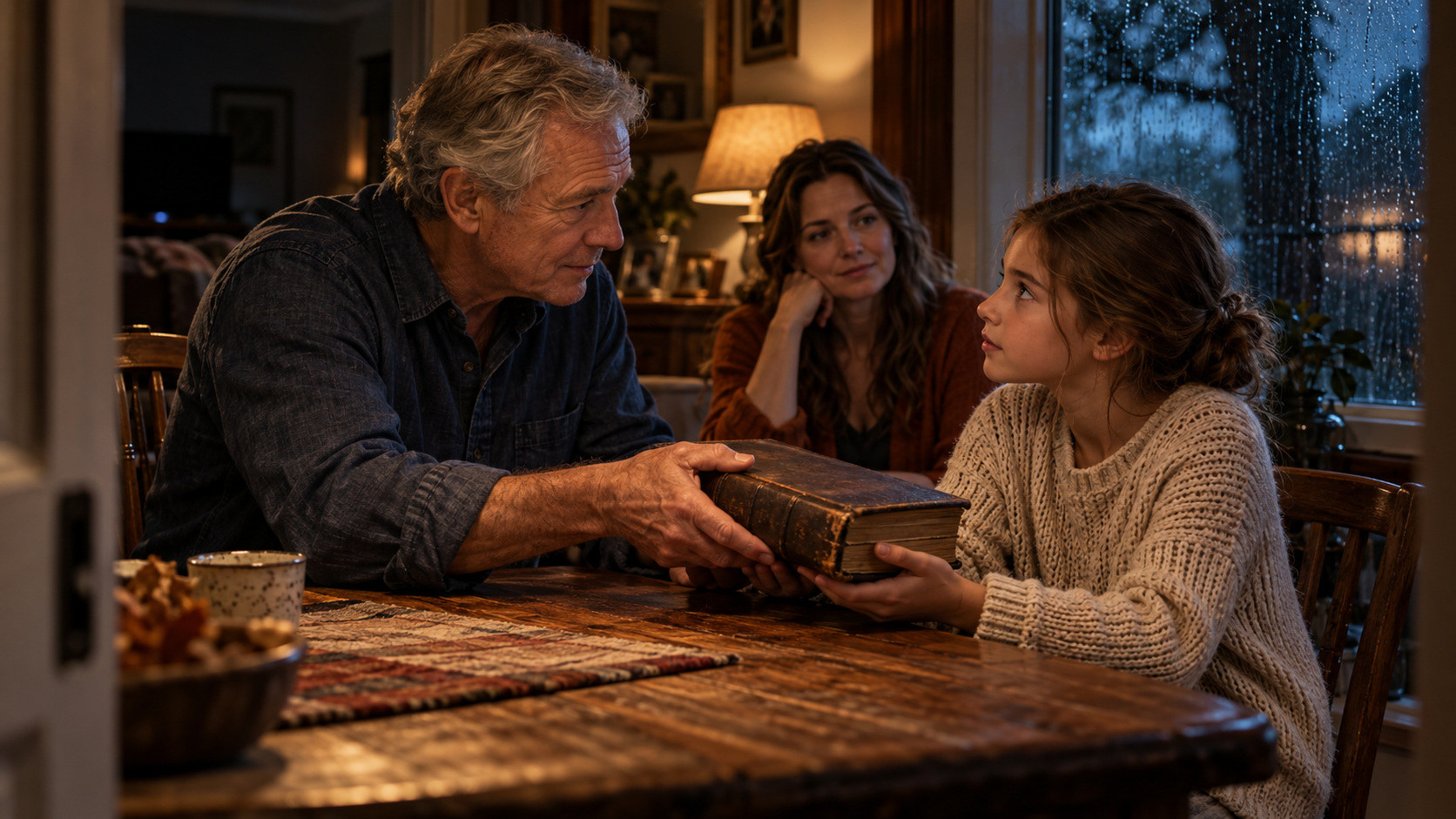
Our children need stories that open holy conversations. Our families need deeper roots. Our nation needs repentance, remembrance, and people capable of carrying sacred responsibility.
Before liberty was political, awakening was spiritual.
George Whitefield stands in America’s founding memory as an awakening voice, calling people to Christ, repentance, new birth, and spiritual responsibility.
Benjamin Franklin gives modern readers an honest doorway into that story. He was not the preacher. He was the printer—practical, skeptical, rational, and alert to public influence.
Whitefield was the voice. Franklin gave him reach. Through print, spoken revival traveled beyond the crowd and into homes.
Conviction found distribution.
Franklin matters because not every reader begins convinced. Some begin curious and cautious. You do not have to be fully awake to begin walking.
That is why the stories rising now matter.
A Great Awakening helps families encounter Whitefield, Franklin, friendship, conviction, and spiritual hunger. Young Washington invites families to meet the man before the monument: ambitious, tested, preserved, and still being formed. America’s 250th brings national memory back into view, while prayer and An Appeal to Heaven bring dependence back into view.
But these stories are not the foundation or the destination. They are witnesses.
They can open doors to holy conversation—especially conversation with scripture. Scripture leads us back to memory, repentance, responsibility, and covenant action.
The American Covenant Project is built for the moment after the credits roll: when a family feels something stir and wonders what to do next.
We are here to help families find their bearings, open scripture, recover sacred memory, and come home to covenant.
The Path can begin quietly.
A parent pauses after a movie. A child feels safe enough to ask a question. A family opens scripture with open hearts instead of rushing to the next thing.
That is where covenant often begins—in trust, attention, and the willingness to turn toward God.
Not perfect people pretending to have it all together, but real people turning back to God, again and again, and letting Heaven form them from the inside out.
If there is a promise beneath the Pattern, noticing is not enough. The faithful response is to walk, one step at a time.
Bring your questions.
Bring your family.
Bring your scriptures.
Bring your honest desire to remember what God is doing.
The Path begins with covenant.
Come walk with us.